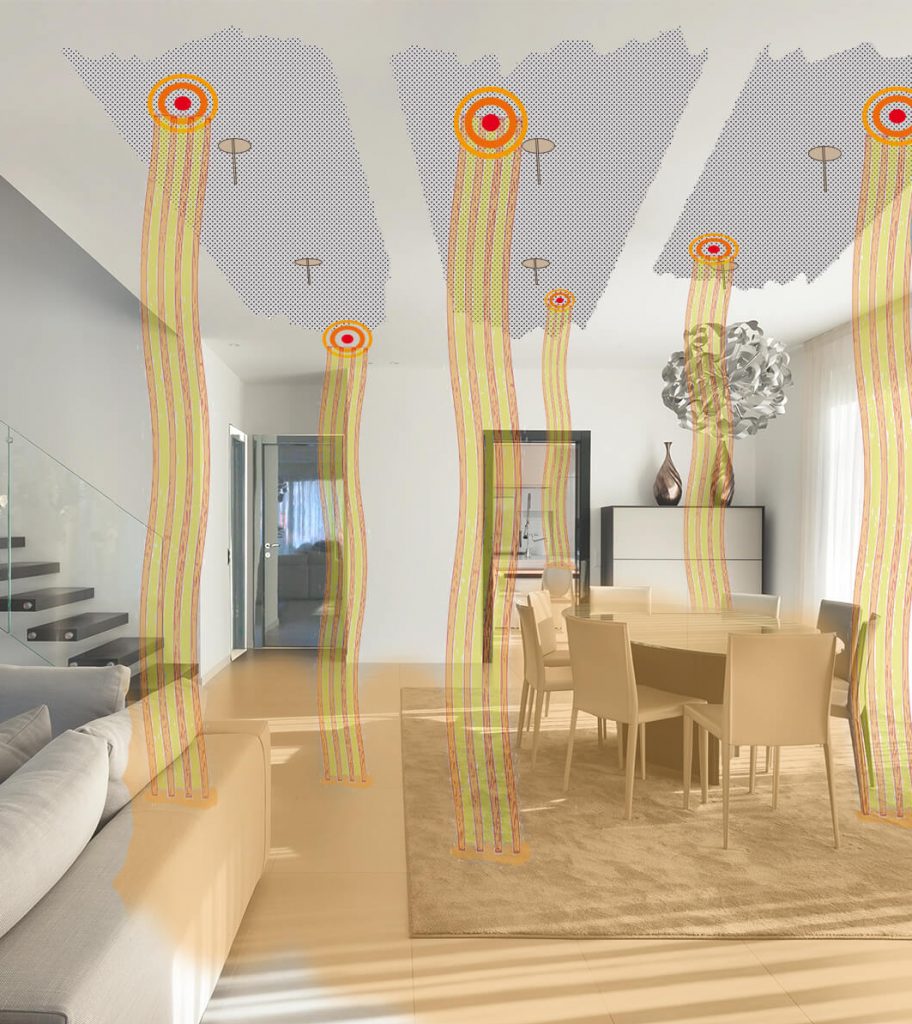
Simple installation directly into the ceiling, wall or floor

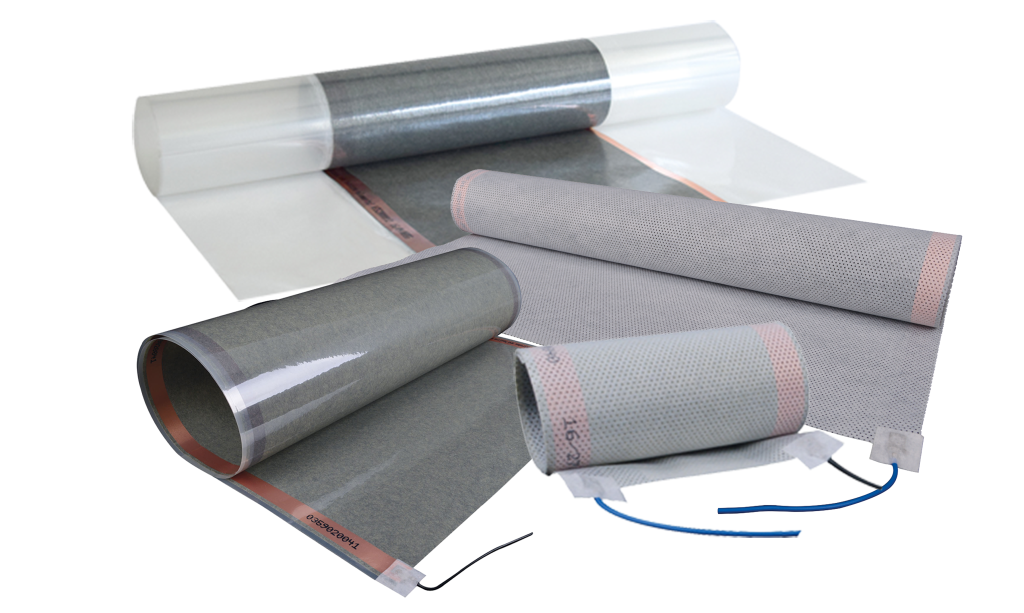
Energy Carbon heating is made from an ultra-light and ultra-thin material. The systems can be installed directly behind plasterboard (DRYTEC) as part of the plaster skim (Fleece) or beneath laminates P.E.T.

The heating units are designed using a safe 36v system that link to a high quality transformer for surface or concealed mounting.  All systems can be operated either using our own ‘self learning’ thermostats or with most proprietary zone control systems such as HIVE.  Installation times are minimal using an easy to use installation manual and tailored layouts designed for each building.  No specialist trades are required.

Why Choose Energy Carbon low carbon heating?


DEVELOPED BY GERMANYS REKNOWNED STUTTGART UNIVERSITY

Whole buildings to single bathrooms – The Energy Carbon suite of infrared heating can either become the integrated, whole-building heating solution or simply used ad-hoc as and where needed.

Built to perform safely for years to come – Our products utilise a homogenised bonding system which is unique to us and ensures that the product will never overheat, delaminate or fail.  So much so that our technologies have been given a design life in excess of 50 years!

The most comfortable heating system available – Unlike Panel heating where high energy is concentrated to a small area putting out uncomfortable heat, the system has been designed to distribute energy gently and comfortably throughout the room so that the warmth may be felt wherever you are.  This has the added benefit of keeping heat to a low surface temperature which avoids damaging  the building fabric.

Fit it and forget it – We made the decision early in our development to avoid glues that simply stick the IR mats to the ceiling, as seem in other products.  Instead, ours are bedded into plaster or cement or buried behind plasterboard to ensure that they truly become part of the building.

Infrared the ‘Light Of Life’ –Infrared is a wavelength of light and the more  finely attuned that signal is to the human body then the faster we feel comfortable.  Our products resonate between 5 to 10 microns being exactly within the prescribed range.

Minimal plant room space and no radiators – We are the only, low voltage manufacture to make our own, bespoke range of German transformers.  From a simple 300w single port through to our ‘Intelligent, Whole House’ unit capable of looking after up to 10 independent zones.  Whatever the size, they all have simple plug and play connectivity and easy to monitor ‘traffic light’ signals instantly alerting the user of any the units operating state.

Fast reaction icon

Faster Reaction Time

Rapid response times allow for greater control using smart devices

Invisible ceiling icon

Becomes Part Of The Fabric Of The Building

A super thin design allows for completely concealed installations into ceilings, walls, and floors.

Heat coverage icon

Full, Even Heat Coverage

Feel high levels of comfort across 100% of the room area with no high surface temperature

Cheaper icon

Fit It. Forget It.

Once installed, our system becomes part of the building and never needs replacing, maintaining or upgrading.

Reduced CO2 icon

Reduced Carbon Emissions and running costs

Using our AI based control systems, energy consumption can be managed effectively to reduce electricity usage and impact on Co2 levels

Improved air icon

Improved Air Quality

No heat roll means no dust circulation. Ideal for asthma sufferers

Heat icon

Low Energy, High Heat Output

Energy Carbon products run at 97% efficiency, producing even heat coverage

Safe icon

Safe & Natural

Far infrared is as natural as the warmth that radiates from the human body. Similar to that used in newborn baby incubators.

Environmental Factors

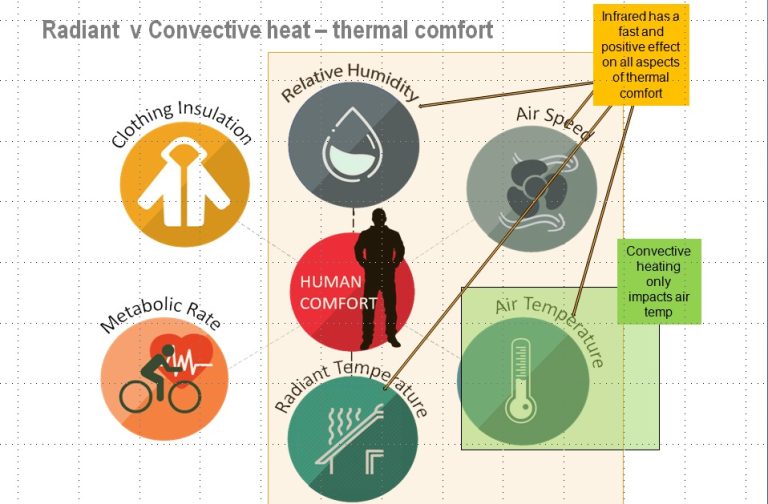
This simple infographic explains the six primary factors affecting human thermal comfort. Thermal comfort is defined as a person’s state of mind regarding whether they feel too hot or too cold, which is achieved when the body can maintain a stable internal temperature.

These factors relate to the conditions of the surrounding environment:

Environmental Factors

  • Air Temperature:The temperature of the air surrounding the body, typically measured with a standard thermometer.
  • Radiant Temperature:This refers to the mean radiant temperature, which is the average temperature experienced across all surfaces in a room (walls, ceiling, floor, furniture, etc.) regardless of air temperature.
  • Air Speed:The rate of air movement across a person. Moving air can increase heat loss through convection, which is why a fan can make you feel cooler even if the air temperature remains the same.
  • Relative Humidity:The amount of moisture in the air. High humidity prevents sweat from evaporating from the skin, which is the body’s main way of cooling down in hot environments.

The image also highlights that infrared radiation has a fast and positive effect on thermal comfort, while convective heating alone primarily impacts air temperature.

Understanding these environmental factors is essential for designing comfortable indoor environments and HVAC (heating, ventilation, and air conditioning) systems.

By managing all of these variables rather than just air temperature a person is able to feel more ‘comfortable’ at a lower set temperature, in most cases up to 5c less, thus saving energy (each 1c reduction equates to around 10% energy savings).

In addition as the surfaces act as ‘emitters’ going on to warm the air, the humidity remains constant and condensation is managed effectively.

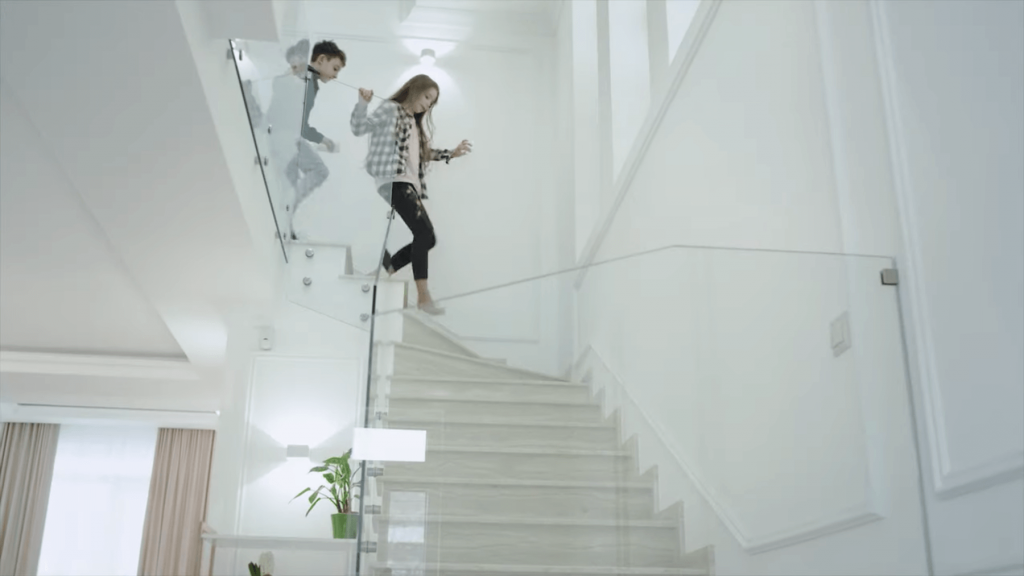
Children coming down a modern glass staircase

Natural radiant heat warms objects not air

Far infra-red radiant heat is an effective and completely natural way to warm a room. Directional heat is dispersed from the system to a distance up to 3.5 metres. Items within the room such as worktops, floors and furniture are directly heated by the radiant heat emissions. As these objects are gently heated, they act as separate heat sources, giving off heat and further warming up the room, the effects of which the occupants feel very quickly.

By heating the buildings fabric before the air condensation is avoided and relative humidity (RH%) remains balanced.

Clever homeowners maximise on the benefit of this thermal storage effect by charging their homes using low-cost, off-peak tariffs.

Discreet zone controllable heating

Energy Carbon heating systems are completely invisible. This means that they have zero impact on the room’s furnishings and fittings, helping to increase floor space and create a larger living area. Integrated into the building structure, the product is simple to install and can be easily cut to fit around light fittings (up to 70mm) and so on.

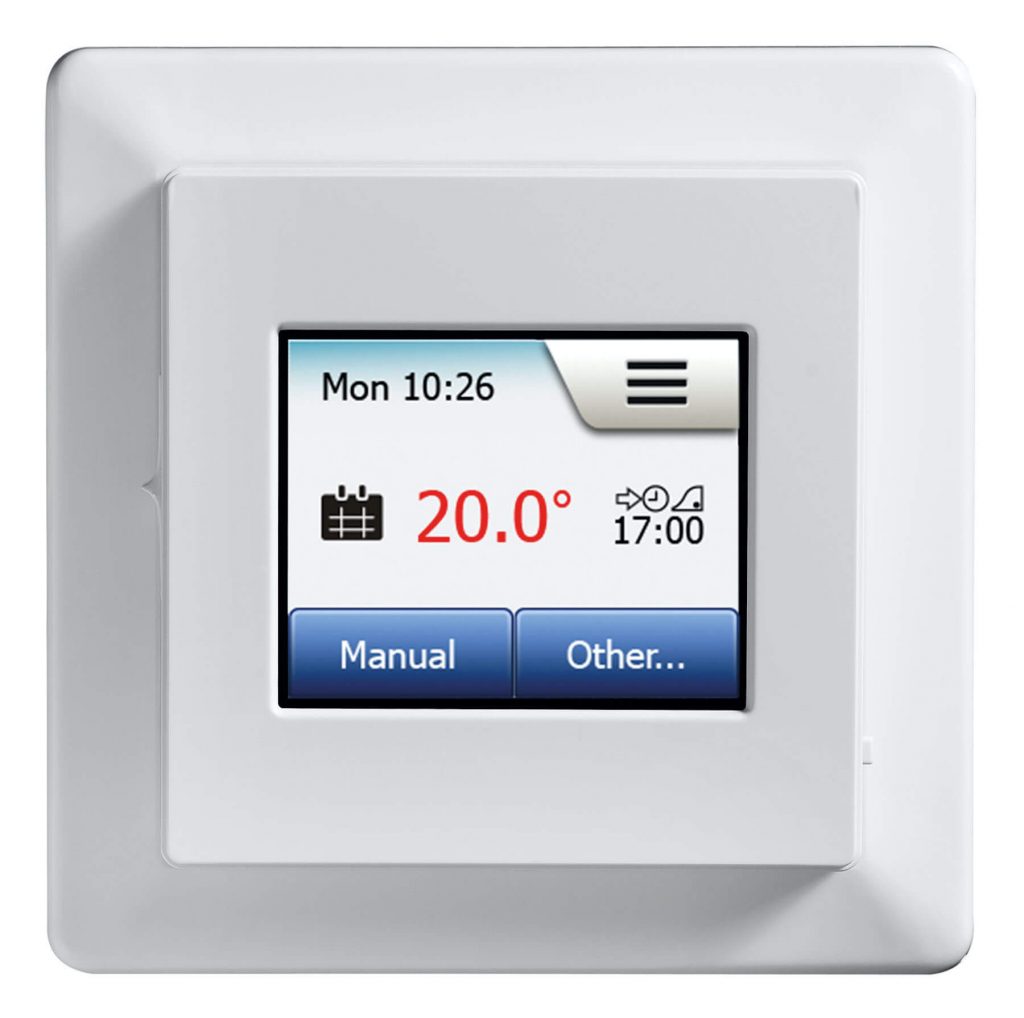
Once installed the heating system can be controlled remotely by your Smart phone or via a wall mounted thermostat. Certain rooms or zones within a building can be turned on and off separately to optimise efficiency and create a more cost effective method of heating Once the room reaches the desired temperature, the heating system will automatically turn off to further reduce heating costs and electricity usage. The system can even be linked to occupancy sensors to quickly adjust the energy use when the room is not occupied.

White thermostat
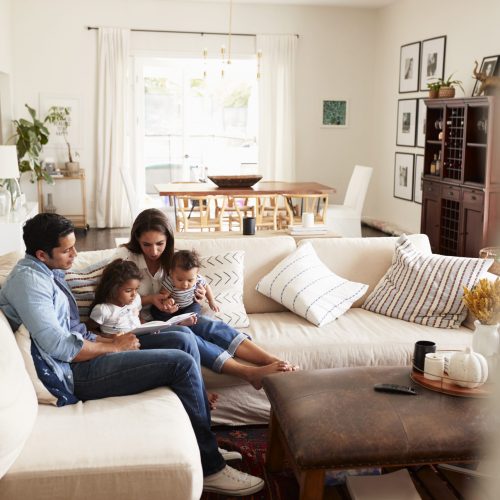
Young Hispanic family sitting on sofa reading a book together in the living room, seen from doorway

Low voltage, low energy – high heat output, quick warm up time

Energy Carbon heating systems are powered by a purpose-built wall mounted transformer unit. Transformers are available in a range of sizes and outputs and can be located at a central control hub or individually in separate rooms. The heating system operates on 36 volts and has been rigorously tested to ensure it won’t overheat, making it extremely safe.

Compared to alternatives such as heat pumps and gas boilers, our systems have great Cradle to Grave credentials with  much lower impact on CO2 levels over time.  Running costs can also be greatly reduced with its quick reaction time and improved feeling of heating comfort.

Ceiling heating for effective warmth distribution

Energy Carbon heating systems can be installed into the ceilings, walls or floor of a room. The super thin design allows fitting behind the plasterboard (DRYTEC) or within the plaster itself (FLEECE).  When activated via a Smart phone or wall-mounted thermostat, heat is radiated from the panels to heat up objects in the room directly.

Traditional heating systems work on a convection system where radiators and floors draw cold air from the below, heat it so that it rises to the ceiling, where it cools, falls to the floor and the process continues in a loop. This process has been found to be slow, expensive, and ineffective. Once a door is opened, the heat escapes and the process starts again.

With far infra-red heating, the radiant heat warms objects and people in the room instead of the air itself. This in turn release additional heat and the room is kept at a far more comfortable temperature in a more natural way.

Once installed the heating fabrics may be cut or penetrated with fixings (subject to certain criteria).

In the unlikely event of a failure due to, for instance, cutting one of the copper conductor strips, then a simple ‘bridge’ can be carried out in order to fix.  Unlike a wet system that suffers catastrophic failure if punctured, whilst the affected mat is out of action, all other mats in the room/building carry on as normal.

Modern house showing heat loss

Energy Carbon delivers advanced infrared heating systems designed for modern, energy-efficient homes.

Our Products

DRYTEC

Fleece

Moisture Protect

P.E.T Film

SmartFlex

Power

Reach us

WhatsApp Us

0791 760 8278

© Copyright Energy Carbon Ltd 2025  | Company no. 11341124